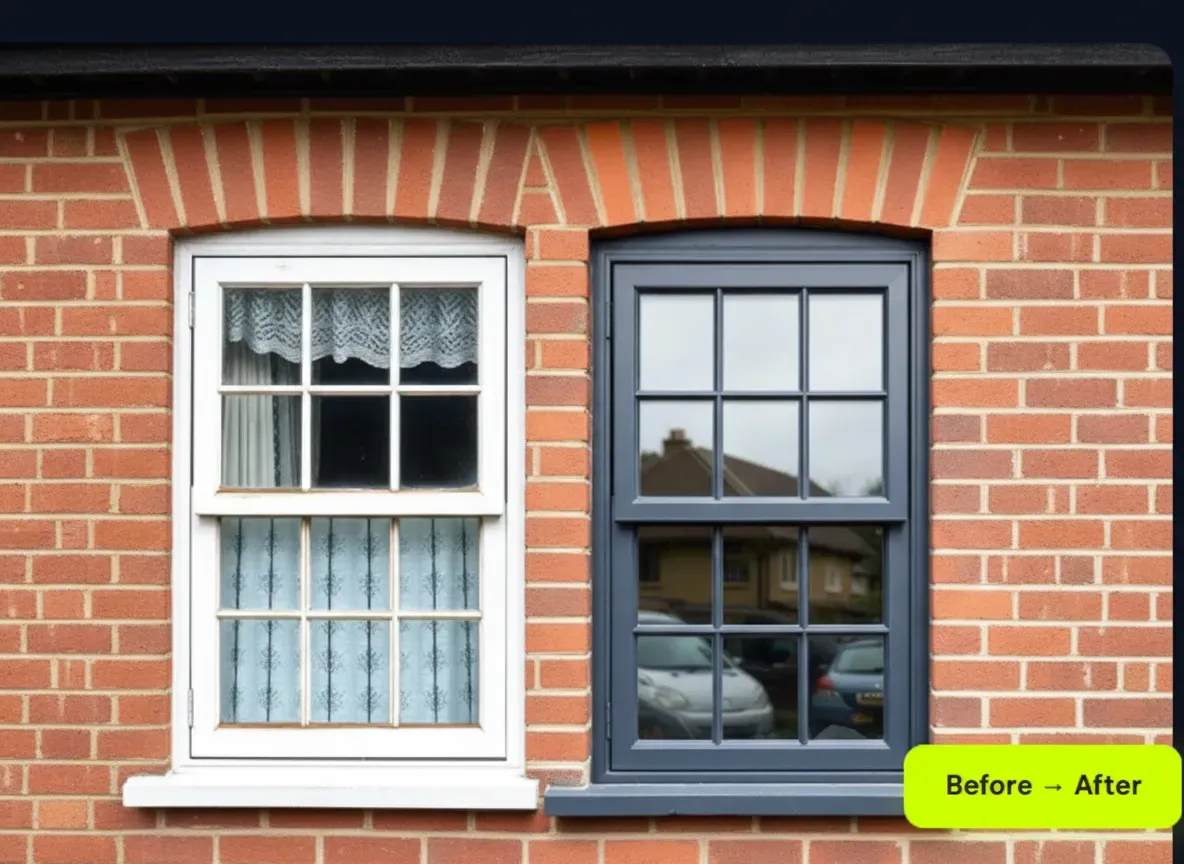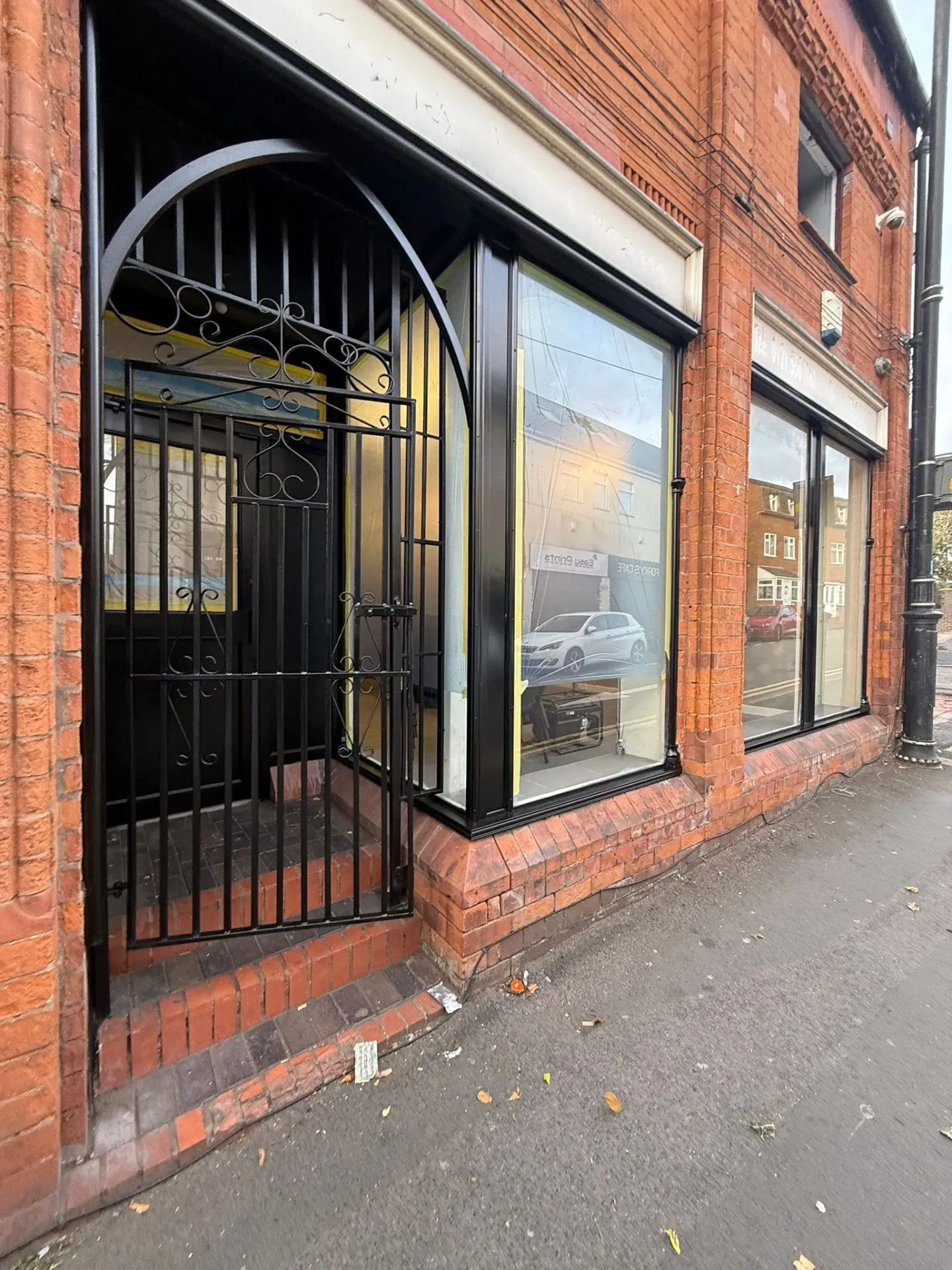
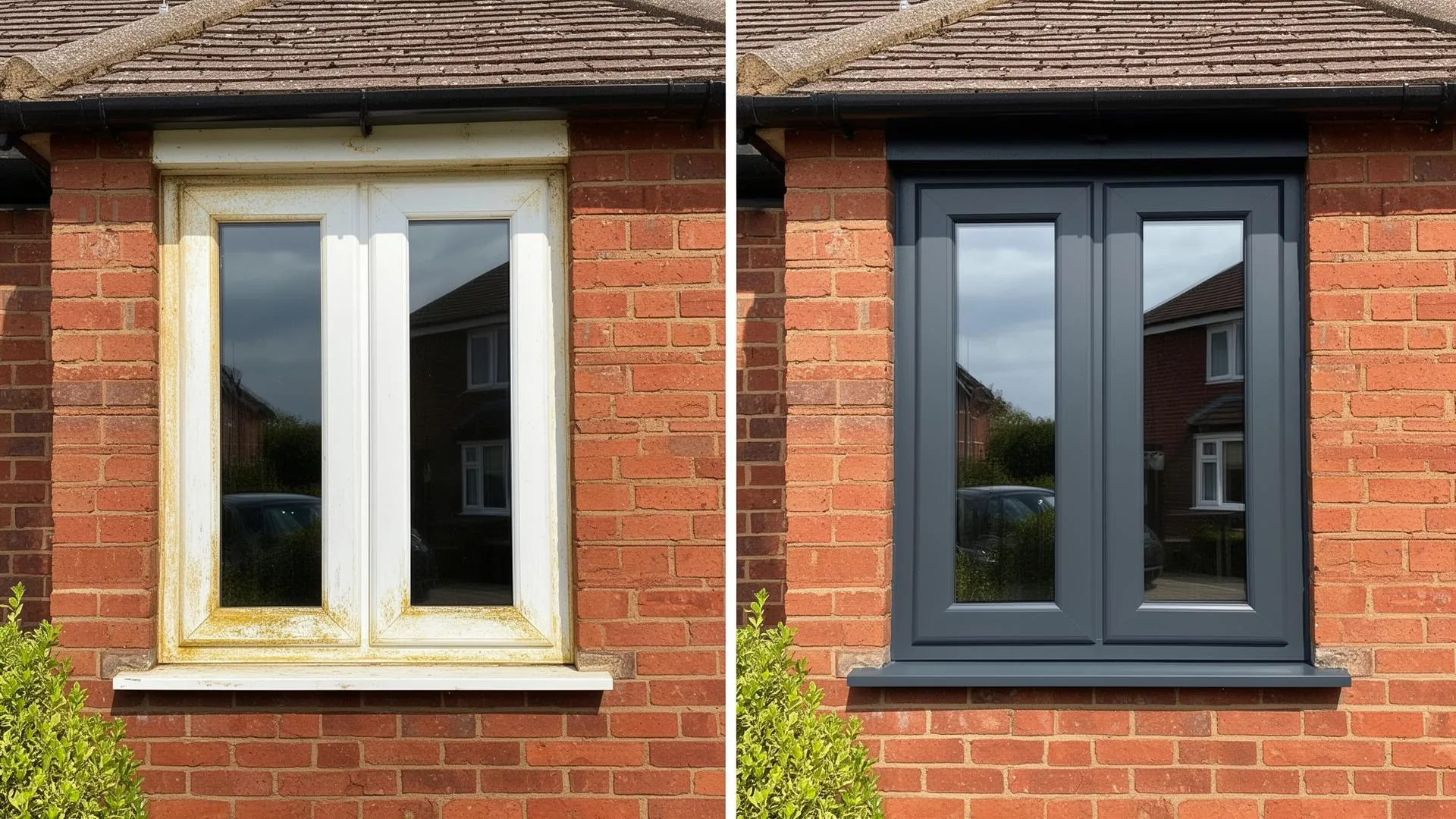
You've got a quote for uPVC spraying and it looks great, until the doubt creeps in. Is it actually going to last, or will I be back here in two years watching the paint peel off?
It's the question every homeowner asks before booking. And it's the right one.
The honest answer depends almost entirely on three things: who does the work, what products they use, and how well they prepare the surface. Get those right and you're looking at a 10–15 year finish. Get them wrong and you could be repainting in 18 months. The gap really is that wide.
Here's the full breakdown.
The Short Version
- Professional 2K polyurethane respray: 10–15 years, often longer
- Cheap handyman with standard paint: 1–3 years
- DIY rattle can: 6–18 months
- Every Spray Genius job is backed by a written 10-year guarantee against peeling, flaking, and excessive fading
Why the Gap Between 10 Years and 10 Months Is So Big
uPVC is a notoriously difficult surface to paint. It's non-porous, non-absorbent, and chemically inert, which is exactly why it was invented for window frames in the first place. Standard household paint has nothing to grip onto, so it peels off within months.
Getting paint to bond to uPVC for a decade or more requires three specific things: a specialist coating designed for plastics, meticulous surface preparation, and professional-grade application equipment. Skip any one of the three and the timeline collapses.
The Coating Matters, A Lot
At Spray Genius we use 2K polyurethane: a two-pack coating that chemically cures once mixed. That's very different to standard paint, which dries by evaporation.
When 2K cures, it forms a cross-linked polymer surface that bonds directly to the substrate. The result is a finish that's:
- UV-stable, won't chalk or fade in direct sunlight
- Chemically resistant, shrugs off cleaning products and road pollution
- Physically tough, resists scratches, knocks, and minor impacts
- Flexible, expands and contracts with the frame through temperature swings without cracking
Cheaper alternatives (single-pack acrylic, masonry paint, off-the-shelf rattle cans) lack most of these properties. They'll look good for a season, then start showing hairline cracks as the frame moves, and lift at the edges soon after.
Preparation Matters Even More
A professional respray is about 80% preparation and 20% spraying. The steps we follow on every job:
- Solvent-degrease every surface to remove silicones, waxes, and years of cleaning product residue
- Mechanical abrasion (fine scotch pad) to create a key for the adhesion primer
- Silicone removal and replacement where needed
- Masking of glass, brickwork, and surrounding finishes
- Etching primer application
- Two to three coats of 2K colour with flash-off time between each
- A full cure period before refitting hardware
Skip the degrease and the coating fails at the edges within a year. Skip the abrasion and it lifts from the flat faces. Prep isn't the glamorous part, but it's where the 10-year finish is actually made or lost.
When a quote feels suspiciously cheap, it's usually because prep has been cut. The work looks identical on day one. The difference only shows up two summers later when the edges start lifting.
Professional Respray vs Handyman vs DIY: Real-World Lifespans
- Professional 2K respray: 10–15+ years, £1,200–£2,500 (full house), factory-smooth finish in any RAL colour, 10-year guarantee
- Handyman with standard paint: 1–3 years, £300–£600, brush marks and uneven finish, no guarantee
- DIY rattle can: 6–18 months, £50–£150, overspray, drips and patchy coverage, no guarantee
- Full window replacement: 20–25 years, £6,000–£11,000, brand-new units, usually a 10-year guarantee
The headline: a professional respray costs roughly 2–4× the cheap option, but lasts 5–10× as long, and looks significantly better while it does.
For a full breakdown of uPVC spraying costs in 2026, including realistic ranges by property type, see our complete pricing guide.
Want a Finish That Actually Lasts a Decade?
Every Spray Genius quote includes our written 10-year guarantee, premium 2K polyurethane coatings, and a fixed price with no hidden extras.
What Our 10-Year Guarantee Actually Covers
Every Spray Genius job comes with a written 10-year guarantee. Here's the plain-English version of what's covered, and what isn't.
Covered:
- Peeling from the substrate
- Flaking or lifting at edges
- Excessive fading or chalking under normal exposure
- Adhesion failure
Not covered:
- Physical damage (knocks, scrapes, impacts)
- Pressure-washing damage, don't pressure wash sprayed uPVC, ever
- Chemical damage from solvent-based cleaners
- Damage caused by structural movement or frame failure
If the finish fails within the guarantee period and it's down to our workmanship or the coating, we come back and make it right. No argument.
Six Signs Your uPVC Respray Is Nearing End of Life
A good respray doesn't suddenly fail, it gives you early warning signs. If you spot any of these on an older respray (yours or the previous owner's), it's time to plan a refresh.
- Micro-chalking, a faint, powdery residue on a clean cloth. The coating is oxidising.
- Colour drift, anthracite grey fading slightly toward brown or green tones, especially on south-facing elevations
- Edge lifting, tiny lifts around the frame edges, opening corners, or silicone lines
- Hairline cracking, fine surface cracks, usually on older cheap coatings
- Sticky residue, the coating feels tacky on a warm day, a sign of poor-quality paint
- Patchy gloss, the finish looks uneven in different lights, with duller and shinier patches
If your current respray is showing these signs after only two or three years, the work wasn't done with a proper 2K system. That's when to get a proper quote, and check the guarantee on whatever replaces it.
How to Make a Sprayed Finish Last 15+ Years
The coating does most of the work. You can add years to its life with surprisingly simple maintenance.
Do:
- Clean two or three times a year with warm soapy water and a soft microfibre cloth
- Use a mild detergent (washing-up liquid is fine)
- Rinse with clean water afterwards
- Address any damage to silicone sealant promptly
Don't:
- Pressure wash the frames (brickwork and glass are fine, not the frames)
- Use abrasive sponges, scourers, or scouring powders
- Use solvent-based cleaners (white spirit, acetone, bleach)
- Scrape ice or snow off with metal tools
That's it. There's no special top coat to reapply, no wax to buff. The 2K finish is doing the heavy lifting, your only job is not to damage it.
Does Birmingham's Climate Affect How Long a Respray Lasts?
Short answer: the Midlands is one of the best climates in the UK for a sprayed finish.
The two biggest enemies of exterior coatings are intense UV and airborne salt. Coastal properties (Cornwall, the East Anglia coastline, parts of Scotland) take the hardest hit. Hotter climates fade coatings faster, particularly on south-facing elevations.
Birmingham and the wider West Midlands sit in a relatively UV-moderate, salt-free corridor. Our summers aren't punishingly hot, and we're about as far from the coast as it's possible to get in the UK. The net effect: Midlands resprays regularly outperform the 10-year guarantee figure.
The main local factor to watch is airborne pollution, particularly on properties near the M6, A38 corridor, or central Birmingham postcodes. It doesn't damage the coating, but frames do need cleaning a bit more often to look their best.
Frequently Asked Questions
Does uPVC Spraying Peel Over Time?
A professional 2K respray shouldn't peel within the 10-year guarantee period. Peeling almost always points to poor surface preparation, cheap paint, or both, not to the age of the finish itself.
Can You Respray Over an Existing Respray?
Yes, provided the previous finish is still well-bonded. We inspect it first. If the old coating is lifting or failing, it needs to come off before we can apply a new one. If it's sound, we prep and respray directly on top.
Does the Warranty Transfer If I Sell My House?
Our 10-year guarantee is tied to the property, not the customer, so it transfers to the new owner automatically. It's a genuine selling point for buyers.
Can You Touch Up Damaged Areas?
Yes. Localised damage like a scrape or a knock can be touched up without redoing the whole job. We keep colour records from every project so we can match exactly, even years later.
Is uPVC Spraying Worth It If My Frames Are Already 20+ Years Old?
If the frames are still mechanically sound (they open, close, seal properly, and the glass isn't blown), then yes. A respray extends their life by another decade or more at a fraction of the replacement cost. If the frames are failing functionally, replace them.
How Long Does the Work Itself Take?
Most whole-house jobs are completed in one to two days. A single door can be done in a morning. The coating is touch-dry within minutes and fully cured over about seven days, but you can use everything normally straight away.